
If we are considering moving to San Tan Valley, the affordable homes, new construction, and wide-open desert lifestyle can look downright mind-blowing compared with many other Phoenix suburbs. But we need to go in with our eyes open. This is not Gilbert, Chandler, or Scottsdale with a different ZIP code. San Tan Valley has its own costs, commute realities, weather, services, and lifestyle tradeoffs.
For the right person, moving to San Tan Valley can mean getting more house, more room, and a lot more breathing space. For somebody who needs a short freeway commute, upscale restaurants around every corner, or city-run services included in taxes, it may feel very different.
1. The Cost of Living Is a Major Draw, but Budget Beyond the Mortgage
The biggest reason people consider moving to San Tan Valley is simple: housing value. We can often find a newer home with more square footage, sometimes on a bigger lot, for roughly 20 percent less than a comparable home in Gilbert or Chandler.
New construction is everywhere. Many communities offer modern layouts, larger floor plans, energy-efficient features, builder incentives, interest-rate buydowns, and warranties. For buyers coming from California, Washington, or New York, the amount of home available here can be a real shock in a good way.
Property taxes can also be a pleasant surprise. Even with new-build assessments, Arizona property taxes are often lower than what out-of-state buyers are used to. As one example, a buyer relocating from New York had been paying about $21,000 annually in property taxes, while a local annual bill was around $2,500.
Summer electric bills are real
We do need to budget for air conditioning. July and August are brutally hot, and the AC can run nearly nonstop. A real August electric bill for a home a little over 2,500 square feet, kept comfortably cool, came in at about $300. That is not nothing, but it is also less than the $400-plus summer bills many homeowners have experienced elsewhere.
Winter is the other side of the coin. A February electric bill for the same home was $70.23, and many households can expect winter bills under $100.
Take a hard look at solar loan assumptions
Solar can sound like an automatic win in Arizona, but we need to read the fine print before buying a home with panels. In one recent listing, the buyer would have had to assume a solar loan of about $260 per month for another 21 years, on top of the mortgage. The utility bill with solar still ranged from around $70 to $240 depending on the season.
That does not mean solar is wrong for everybody. It means the payment, contract, remaining term, transfer requirements, and realistic utility savings all need to be compared carefully. A lower electric bill does not automatically make sense if it comes with a major long-term loan payment.
HOAs are common
Most newer communities have an HOA. Typical fees run around $80 to $150 per month, depending on the neighborhood and amenities. They can be frustrating, no question, but they also help maintain curb appeal and community upkeep.
If we want chickens, pigs, RVs, off-road toys, detached RV garages, workshops, horses, or maximum freedom, we should focus on older county-island areas or custom-home communities with little or no HOA involvement. That choice is a major part of moving to San Tan Valley successfully.
2. The Summer Heat Is Serious, but the Winters Are Incredible
Yes, it gets hot. Really hot. Summer temperatures in the 110 to 115 degree range happen regularly, and the all-time local record cited here was 122 degrees. This is not a place where we casually plan a midday hike in July.
When we are moving to San Tan Valley, we need to adjust the schedule, not fight the climate. Outdoor exercise, hiking, and chores are early-morning or late-evening activities in peak summer. Even at 10:00 p.m., temperatures can still be over 100 degrees.
Monsoon season and haboobs
July and August also bring monsoon weather: thunder, lightning, wind, heavy rain, and walls of dust known as haboobs. A haboob forms when cool air rushing out from a thunderstorm pushes a huge wall of desert dust into the sky. These storms can reach 1,500 to 3,000 feet tall and stretch more than 100 miles wide.

They can look like the end of the world is headed straight toward us, but the practical response is simple. If visibility gets bad while driving, pull over and wait it out. At home, close doors and windows. Afterwards, expect to blow dust off the patio and possibly give the pool a little extra attention.
Then comes winter, and this is where the desert pays us back. Sunny days in the 65 to 75 degree range are common. It is patio weather, grilling weather, hiking weather, and the kind of weather that makes scraping ice off a windshield sound like a distant bad memory. We have never had to shovel sunshine.
3. Pick a Neighborhood Based on How We Actually Want to Live
There is no single best neighborhood for moving to San Tan Valley. The right area depends on whether we want amenities, affordability, views, land, or freedom from restrictions.
For amenities and newer master-planned living
- Soleo: A newer gated community with a variety of amenities.
- Bella Vista Farms: A newer community with continuing development and community amenities.
- San Tan Heights: A more established option with a community center and a beautiful backdrop near the San Tan Mountains.
These types of communities make sense when we want parks, pools, splash pads, trails, or a more polished master-planned feel. Just remember that amenities are usually reflected in HOA costs.
For affordability without all the extras
Morning Sun Farms, Skyline Ranch, and Laredo Ranch are worth considering when the priority is getting a solid home at a great price. These are more traditional neighborhoods with scattered parks, rather than clubhouses, fishing lakes, and resort-style features that plenty of us may not use anyway.
For land toys horses and fewer rules
Rural county islands and custom-home communities are the places to look for larger lots, detached garages, workshops, horse property, RV storage, and a less restrictive lifestyle. For many people, this is exactly what makes moving to San Tan Valley appealing in the first place.
4. Commutes Are the Reality Check
Here is the part that catches many newcomers off guard: San Tan Valley does not have freeways running through it. Travel relies heavily on surface streets, and those roads can get busy, especially during rush hour.
Typical travel times can look like this:
- Gilbert: approximately 20 to 35 minutes
- Chandler: approximately 35 to 45 minutes
- Scottsdale: easily around one hour
- Phoenix Sky Harbor International Airport: approximately 55 to 75 minutes
Road widening, construction, and improvements are constant. That is good news eventually. It is also frustrating news right now because construction is, well, construction. Before moving to San Tan Valley, we should test the commute from the specific neighborhood at the time we would actually travel. A map estimate in the middle of the day does not tell the full story.
5. It Is Mostly a Commuter Town, but Remote Workers Can Do Very Well Here
San Tan Valley is primarily a commuter town. Many residents work in Chandler, Mesa, Gilbert, or elsewhere in the Southeast Valley. Major employment destinations include Intel's Ocotillo campus, the Chandler Price Road corridor with companies such as PayPal and GM, the Mesa Gateway technology area, Boeing, warehousing, manufacturing, and construction-related jobs.
Local employment is growing in retail, education, trades, and construction, but we should not assume the job is right around the corner. That is one of the most important things to weigh when moving to San Tan Valley.
For remote workers, though, this can be a great fit. A larger home and a dedicated office can be more attainable here than in Chandler or Gilbert, without paying those higher price points.
6. Outdoor Recreation Is Strong, but Dining Is Still Catching Up
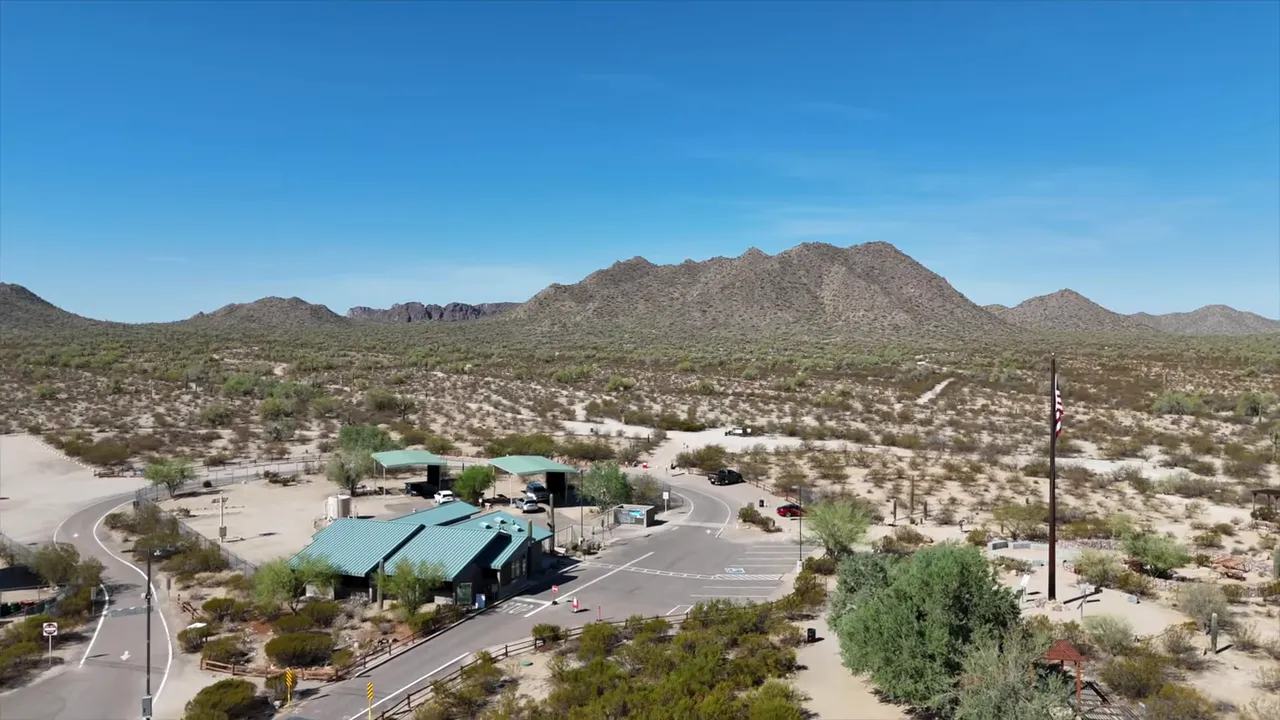
If we love the outdoors, San Tan Valley has a lot going for it. San Tan Mountain Regional Park is close by for hiking, biking, horseback riding, desert scenery, and some killer sunsets.
Other nearby attractions include Schnepf Farms, Queen Creek Olive Mill, Horseshoe Park and Equestrian Centre, FatCats, parks, splash pads, youth sports, desert trails, and mountain access. People who own side-by-sides especially appreciate the access to open desert. These vehicles can be street legal here, and the nearby Queen Creek Christmas side-by-side parade draws hundreds, sometimes thousands, of decorated rides.
Dining is where we need to set expectations. There is plenty of fast food. Casual and full-service options are improving as retail centers are built, but upscale dining is not really part of the local scene yet. For a serious restaurant night, we may be driving toward Queen Creek, Gilbert, Chandler, or beyond.
7. Water, Law Enforcement, and Fire Coverage Work Differently Here
This is the section we absolutely cannot skip when moving to San Tan Valley. The area recently voted to incorporate and is set to become Arizona's newest town in June 2026. Local governance will change, but the basic service structure remains different from what many people expect in a traditional city.
EPCOR water and sewer service
EPCOR is a private utility that provides water and sewer service in San Tan Valley, rather than a city-run water department. After taking over the old Johnson Utilities system, water quality and service improved significantly. However, private utility rates may run a little higher than municipal water service.
As a point of reference, a Queen Creek water bill was $81 in December. Because EPCOR is generally higher, a comparable San Tan Valley bill might be closer to $100. Some rural properties still rely on well systems. It is different, but it works well for most residents.
Law enforcement through the Pinal County Sheriff's Office
San Tan Valley does not have its own municipal police department, and it may not for years. Law enforcement is handled by the Pinal County Sheriff's Office through a contract arrangement. Patrols, emergency response, traffic enforcement, investigations, and community policing are all part of that coverage.

Rural Metro Fire is a subscription service
This is the big one. Rural Metro Fire is a private, subscription-based fire service. Before moving to San Tan Valley, we need to understand exactly how it works and budget for it.
Annual subscriptions typically run about $800 to $1,000 and cover fire response, emergency medical response, hazardous situations, rescue services, and other emergency needs. If we are not subscribed, Rural Metro still responds to a 911 call, but the incident is billed individually. An EMS call can cost around $600, while fire responses can reach thousands of dollars, including vehicle and personnel charges.
This is not a scam. It is simply how fire coverage has operated in this area, and the new town is expected to continue contracting with Rural Metro after incorporation. Fire service is not automatically included in property taxes the way many out-of-state buyers expect. When we are moving to San Tan Valley, it should be treated as a standard line item in the household budget.
Is San Tan Valley the Right Fit?
Moving to San Tan Valley can be a fantastic decision if we want more home for the money, newer construction, desert access, sunny winters, and a little more room to spread out. It can be less ideal if a short freeway commute, dense retail, upscale dining, or fully municipal services are non-negotiable.
The best move is to match the neighborhood, property type, commute, HOA rules, utility setup, and fire subscription to our actual day-to-day lifestyle. That is how we avoid surprises and get the best out of San Tan Valley.
Thinking about making a move to San Tan Valley? Whether you're relocating, buying your first home, or looking for the right neighborhood, I'm here to help make the process easier. Reach out today to discuss your goals and explore the best homes and communities for your lifestyle. Call or text: 480-818-4503
Frequently Asked Questions
Is San Tan Valley affordable compared with Gilbert and Chandler?
San Tan Valley is generally one of the more affordable areas in the Phoenix metro. Comparable newer homes with more square footage can cost around 20 percent less than similar homes in Gilbert or Chandler.
How hot does San Tan Valley get in summer?
Summer temperatures of 110 to 115 degrees occur regularly. Outdoor activities are best scheduled in early mornings or later evenings, and air-conditioning costs should be part of the budget.
Does San Tan Valley have freeways?
No. San Tan Valley relies on surface streets, and rush-hour traffic can significantly affect commute times. We should test the route from a specific neighborhood before committing to a home.
Is fire protection included in property taxes in San Tan Valley?
No. Rural Metro Fire operates through an annual subscription model, typically around $800 to $1,000 per year. Without a subscription, emergency service is still provided, but charges are billed per incident.
Is moving to San Tan Valley a good choice for remote workers?
It can be an excellent option for remote workers because larger homes and dedicated office space may be more attainable than in nearby Gilbert or Chandler. The longer commute matters far less when we do not need to make it every day.