
Moving to Phoenix area can be an incredible fresh start, but it is also surprisingly easy to make a decision that feels great online and disappointing once daily life begins. We have spent our lives here and helped countless people relocate across the Valley, and we have seen the same mistakes show up again and again.
Some people rely on a random online recommendation. Others fall in love with a listing photo, a model home, or a price point that looks far better than back home. Then, after the move, they realize the commute is rough, the surrounding area does not fit their routine, or the total monthly cost is higher than expected.
The good news is that most problems with moving to Phoenix area are avoidable. A little homework, a realistic plan, and a willingness to slow down can save a lot of stress and money.
1. Do Not Let Online Forums Decide for You
Facebook groups, Reddit threads, and relocation forums can be useful when we are moving to Phoenix area. They can introduce us to cities, neighborhoods, restaurants, builders, and general concerns that we may not have considered.
But they should be a starting point, not the final answer.
There is no single best part of the Phoenix metro area. People may say Gilbert is the only place to live, the West Valley is too far out, Queen Creek is too remote, or Scottsdale is overrated. The truth is that Phoenix is a huge metro made up of many distinct communities, lifestyles, price points, and commute patterns connected by freeways and major roads.
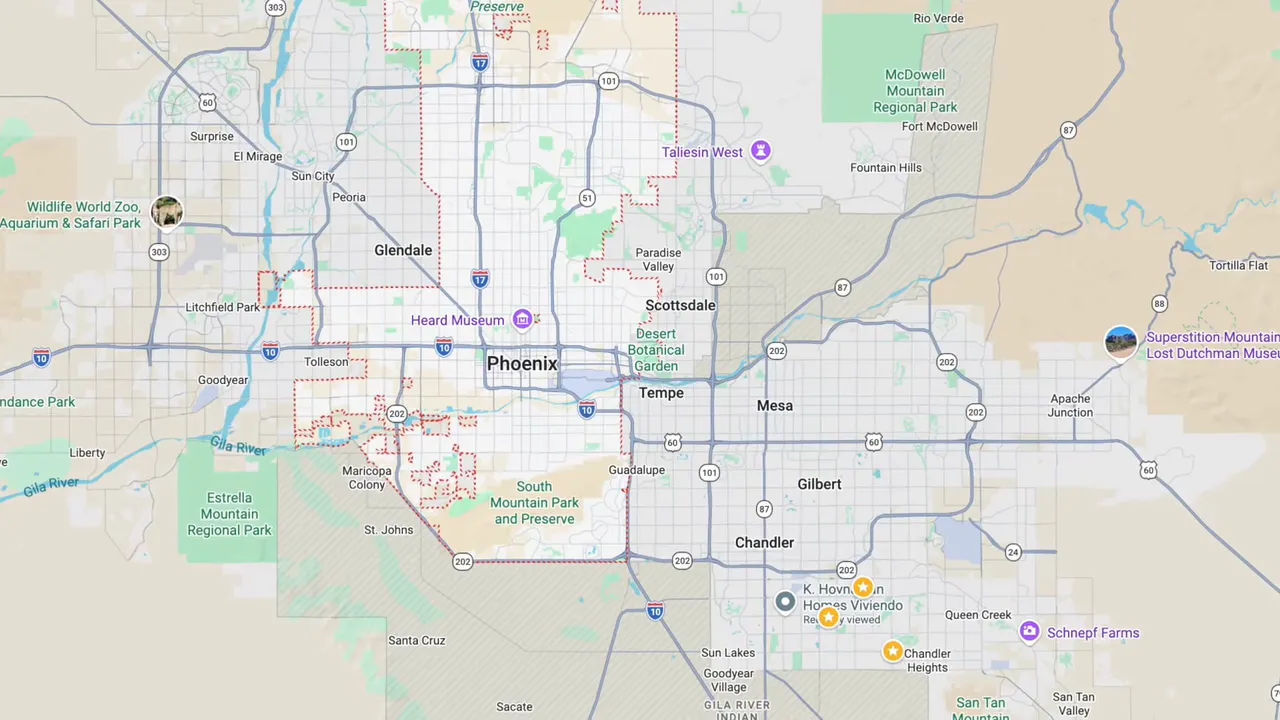
Most online recommendations come from someone else's personal bubble. They are describing their own budget, job location, commute tolerance, family needs, and favorite things to do. That does not make the advice wrong. It just may not be right for us.
We have worked with people who arrived convinced they wanted one home style in one specific area because that was what the internet told them to pursue. Once they explored more of the Valley, they found a completely different community and home style that fit them far better.
Use online research to create a list of possibilities. Then compare those possibilities against what actually matters in our lives:
- Where we will work or how often we need to commute
- Our realistic monthly payment and operating budget
- School, parks, fitness, dining, and everyday errands
- How much driving we are comfortable doing
- Whether we prefer established neighborhoods, infill areas, or new master planned communities
2. Never Buy a Home Without Experiencing It
Buying sight unseen became popular during COVID, and people still do it. A listing may have beautiful photos, an attractive price, a great backyard, and everything on the checklist. But photos do not show the full story.
They do not show freeway noise, road noise, a busy street, difficult neighborhood exits, or what the area feels like after dark. They do not show whether the home feels smaller in person, whether the surrounding streets are busier than expected, or whether the location has the lifestyle we hoped for.
We have seen buyers fall in love with a property online, plan to write an offer immediately, and then change their minds after visiting. The home did not live up to the photos, and the surrounding area was not what they had imagined.
Even when we find a home we really like, we should revisit at different times. A neighborhood can feel completely different in the morning, during school pickup, on a weekend evening, or after sunset.
Before moving to Phoenix area, make the property search feel as close to normal life as possible:
- Drive the neighborhood during the morning rush.
- Return in the evening and, if possible, over a weekend.
- Try the route from the house to work, school, or frequent destinations.
- Grab food nearby and run a few typical errands.
- Pay attention to traffic, road conditions, noise, shopping access, and the overall feel of the area.
There can be situations where a sight unseen purchase is necessary, but it should not be the default. Nothing online replaces being in the area ourselves.
3. Bring Representation to New Construction
There is a lot of new construction in the Phoenix area, particularly in the Northwest Valley and Southeast Valley. New homes are appealing for good reason. The model homes are bright, polished, upgraded, and designed to make us picture our best possible life there.
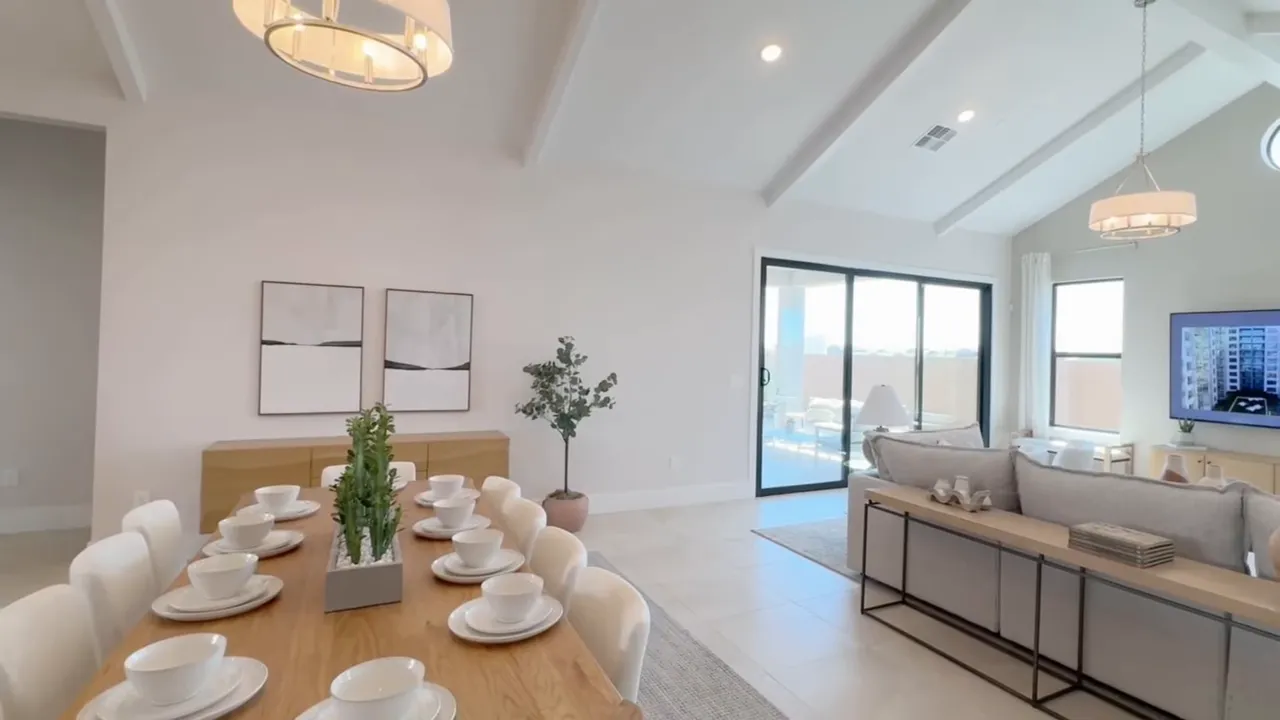
But here is the important part: the sales representative in the model home works for the builder. Most builder representatives are great people and will facilitate paperwork fairly and honestly, but their job is to protect the builder's interests. They are not our personal advocate.
A buyer's agent represents the buyer's interests. In a new construction purchase, that can matter when comparing builders, reviewing contract terms, navigating upgrades, understanding timelines, and evaluating the overall deal.
One of the biggest myths is that skipping an agent will produce a better price. In general, builders have already accounted for buyer-agent compensation in their projections and marketing budgets. The base price often stays the same whether we have representation or not. If we skip the agent, that does not necessarily mean those funds come back to us.
There is another timing issue that catches people off guard. Many builders require buyers to register their agent during the first visit to the model home. If we go in alone and start the process, the builder may not allow an agent to be added later.
For anyone moving to Phoenix area and considering a new build, the smart move is to speak with an agent who truly understands new construction before visiting model homes. A successful resale agent is not automatically experienced with builder processes, upgrades, contracts, and new-home timelines.
4. Test the Real Commute
On a map, Phoenix area can look simple. The streets are wide, the grid is easy to understand, and a midday map search may make a commute look completely manageable.
Midday Phoenix and rush-hour Phoenix are two very different things.
A drive estimated at 25 minutes can turn into 40, 50, or even 60 minutes depending on the time of day, direction of travel, school traffic, road construction, freeway conditions, and major intersections. Phoenix area is not only geographically spread out. It is lifestyle spread out.
Work may be in one part of the Valley while the home that fits our budget is 20 to 30 miles away in another. That distance may not feel significant when we look at a map, but driving it five days a week adds up fast.
Traffic is not just a freeway issue either. Long stoplights on surface streets, school drop-off and pickup congestion, seasonal construction, and changing traffic patterns can all affect daily life.
When moving to Phoenix area, test the drive at the time we would actually make it. Do a morning commute run, an afternoon return trip, and an evening trip if we expect to go out frequently. A quick weekend drive does not tell us what a Tuesday morning at 7:30 a.m. feels like.
5. Budget for the Full Cost of Living
Phoenix can feel affordable compared with California, the Pacific Northwest, Chicago, or New York. But affordable home prices do not automatically mean cheap living.
A common mistake when moving to Phoenix area is focusing only on the purchase price, mortgage payment, and property taxes. The desert has ongoing expenses that may not show up in the initial math.
The biggest surprise for many new residents is summer electricity. Air conditioning is not an occasional convenience here. It is a daily necessity for months at a time. A larger home, high ceilings, west-facing windows, older insulation, or an aging AC unit can all contribute to higher summer bills.
We also need to account for water and landscaping, pool maintenance, HOA fees in many communities, and auto insurance. Maricopa County can be especially expensive for auto insurance, so that should be part of the research before a purchase decision.
A realistic monthly budget should include:
- Mortgage payment and property taxes
- Homeowners insurance and auto insurance
- Summer utilities, especially electricity
- HOA fees where applicable
- Pool chemicals, cleaning, and electricity if the home has a pool
- Yard and landscape maintenance
The point is not that Phoenix area is automatically expensive. The point is that the cost structure is different. A home should fit our total lifestyle cost, not simply the maximum purchase price we can qualify for.
6. Choose the Area, Not Just the House
This may be the quietest deal breaker of all. People relocating often fall in love with the kitchen, layout, finishes, backyard, and square footage. Then they forget that they are not just buying a structure. They are buying the lifestyle around it.
Phoenix is very routine-driven. Most of our day-to-day life happens within a certain radius of home. That means the questions surrounding the property matter just as much as the property itself.
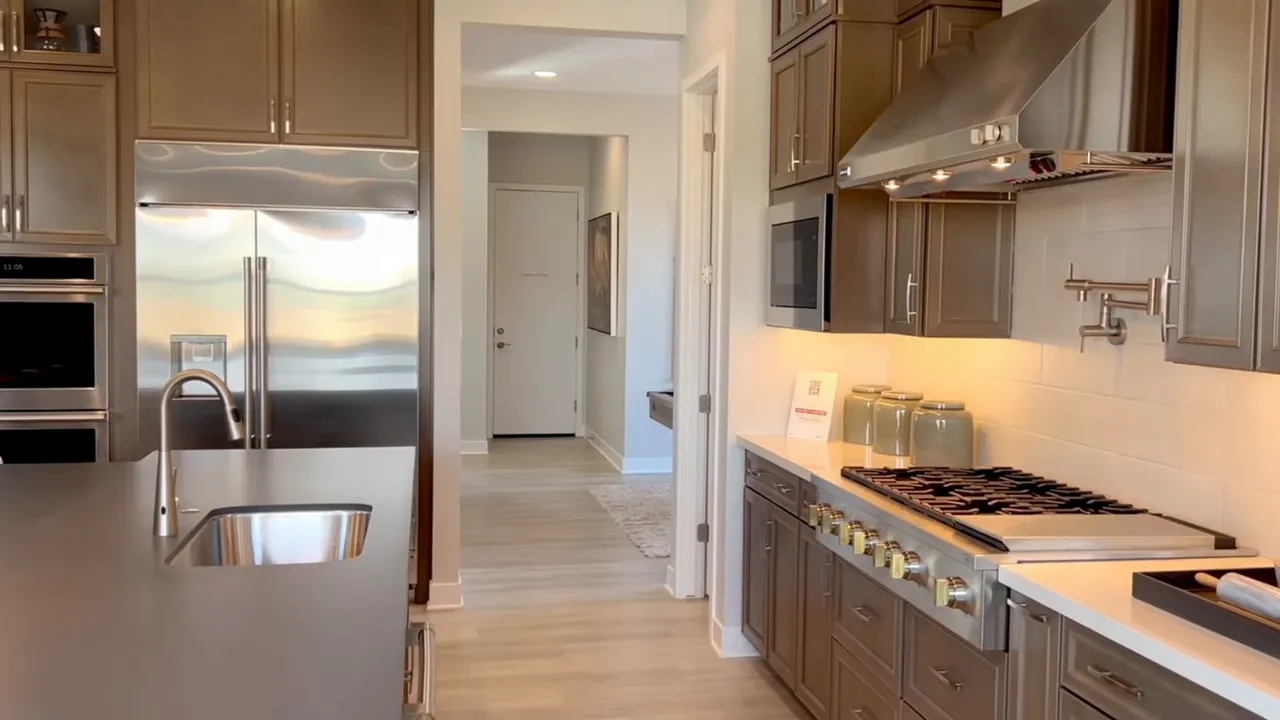
Before moving to Phoenix area, ask:
- Where will we grocery shop?
- Where will we get coffee, work out, or take the kids for activities?
- Are there parks or walking options that fit our routine?
- How far are our favorite restaurants, friends, work, and regular errands?
- Does the surrounding area feel like a place where we want to spend time?
Infill development deserves special attention. These are newer, smaller communities built within older established areas. We may find more square footage or an attractive price, but every errand can become a drive, and the surrounding area may not match the lifestyle we expected.
No area is universally better than another. Every part of the Valley appeals to different people in different ways. But if the schools, parks, shopping, commute, and nearby routine do not line up with our lives, it is entirely possible to love the home and dislike the location.
Sometimes a slightly smaller home in the right area produces a much happier move than the biggest house we can buy farther out. For moving to Phoenix area, location is not only about resale or appreciation. It is about how life feels every day.
7. Stop Chasing the Perfect Home
It is easy to build an image of the perfect move: a brand-new home, huge lot, great schools, low HOA, easy commute, close to everything, and comfortably under budget.
That combination does not really exist. And if it does, it usually comes with a price tag most people do not want to pay.
Phoenix and its suburbs are built on tradeoffs. More house may mean living farther out. A closer-in location may mean an older home. New construction may come with a smaller lot. Every search involves deciding which compromises we can comfortably live with.
Chasing perfection causes people to pass on a genuinely great fit because one item was missing. Or they wait for a unicorn home that never arrives. Or they overpay emotionally because they want to believe they found everything.
Instead, focus on the right 80 percent:
- Can we live with the commute?
- Do we genuinely like the area?
- Does the home function for our daily life?
- Does the payment feel comfortable?
- Will the missing feature bother us every day or only occasionally?
No house, area, or commute is perfect. But when the big factors line up, moving to Phoenix area becomes much more likely to feel like the right decision long after closing.
8. Move Quickly, but Not Without Clarity
Relocation comes with real pressure. Job start dates, school calendars, expiring leases, and short house-hunting trips can make us feel as though we need to make a decision immediately.
Sometimes moving fast works out. But moving fast without clarity is where avoidable mistakes happen.
Rushing often means skipping the second visit, not driving the neighborhood at night, failing to test the commute, or making an emotional choice based on one showing. Two similar homes located only 15 minutes apart can create completely different daily experiences.
We do not need to move slowly for the sake of moving slowly. We simply need enough time to verify the things that will matter after the excitement of the purchase fades.
For anyone moving to Phoenix area, the goal is to make a confident decision, not just a fast one.
Bonus Mistake: Assuming Every Market Works the Same
Real estate is hyperlocal. The market in Queen Creek does not behave exactly like the market in Scottsdale. A $400,000 home does not necessarily move like a $900,000 home. New construction behaves differently from resale, and master planned communities can behave differently from older neighborhoods.
When moving to Phoenix area, it is easy to misread what we see on a national home-search website. A property that has been on the market for a while may have an issue, but it could also be priced a little off, have returned to market after a buyer backed out, sit in a highly selective school boundary, or have a floor plan that gets mixed reactions.
There is usually more happening than a listing page can show. The best approach is to understand the specific community, price range, and type of property we are considering rather than applying assumptions from another city or state.
Phoenix area is not like everywhere else. Phoenix area is like Phoenix area. A successful relocation is not simply about buying a house. It is about finding the right pocket of the Valley and building a routine that works for us.
Frequently Asked Questions
Is moving to Phoenix area affordable?
Moving to Phoenix area can feel affordable compared with higher-cost markets, especially when looking at home prices. However, affordability should include the total monthly cost of living, including summer electricity, insurance, HOA fees, water, landscaping, and pool maintenance when applicable.
Should we buy a Phoenix area home sight unseen?
Buying sight unseen may be necessary in limited situations, but it should not be the standard approach. We should visit the home and area whenever possible, return at different times of day, test nearby routes, and experience the normal errands and traffic patterns around the property.
Do we need an agent for a new construction home in Phoenix area?
A builder representative works for the builder, while a buyer's agent represents the buyer's interests. If we want representation, the agent often needs to accompany us or be registered during the first visit to the model home. It is especially important to work with someone experienced in new construction.
What is the biggest mistake people make when moving to Phoenix area?
Focusing only on the house instead of the complete lifestyle is one of the biggest mistakes. The right home can still feel wrong if the commute, errands, schools, parks, surrounding amenities, and daily routine do not fit our needs.
How should we choose the right Phoenix area area?
We should begin with our real priorities: work location, commute tolerance, budget, preferred home type, everyday errands, activities, and the type of neighborhood lifestyle we want. Online opinions can provide ideas, but they should not replace firsthand research and local guidance.