
If you are thinking about moving to Gilbert, AZ, you have probably heard the same things over and over. Great schools. Clean neighborhoods. Safe streets. A strong sense of community. And yes, a lot of that is absolutely true.
But before moving to Gilbert, AZ, it is worth pumping the brakes for just a minute. Gilbert is a fantastic place when it matches the way you actually live day to day. It is not automatically the perfect fit just because it is one of the most popular Phoenix suburbs.
These are not necessarily deal breakers. For some people, every item on this list will sound completely manageable. For others, a couple of them might make you pause. That is not bad news. That is clarity, and clarity is exactly what you want before making a major move.
Downtown Gilbert Has More Energy Than You May Expect
Gilbert has a reputation as a quiet, sleepy town where things shut down early. In many parts of town, that feeling is still there. But downtown Gilbert, particularly the Heritage District, is a whole different deal.
The Heritage District has grown into a genuine destination with restaurants, bars, patios, live music, boutique shopping, farmers markets, community events, and the Hale Centre Theatre. You will find spots such as Whiskey Row, Culinary Dropout, Postino, Joe's Real BBQ, Joyride Taco House, and Barrio Queen. There is a lot going on.
That is awesome if you want to live near activity, packed patios, and a younger downtown crowd. But moving to Gilbert, AZ with an expectation of quiet Friday and Saturday nights requires a little more thought about location.
Living near the Heritage District can mean more traffic, tighter parking, louder event nights, and a different level of energy than people expect from Gilbert. The town does a good job managing noise and activity, but popularity has a side effect: more people.
The practical takeaway: If being near restaurants and community events sounds great, downtown Gilbert could be a perfect fit. If peaceful evenings are the priority, be intentional about which neighborhood you choose.
Summer Heat Changes Your Daily Routine
Everybody knows Arizona gets hot. Knowing it and living it, though, are two completely different things.
When moving to Gilbert, AZ, understand that summer does not just make things uncomfortable. It changes your routine. From early summer into early fall, walks happen early in the morning or well after sunset. Errands get planned strategically. Yard work becomes a mission you either handle very early or put off until later.
Summer temperatures can run from about 110 to 117 degrees. That is not the made up, absurd weather-map kind of heat where every nearby town is apparently 750 degrees. But it is serious heat, and it affects how long you stay outside, how you manage pets, how you use your pool, and how often you think about your air conditioning.
Some people adapt quickly and actually enjoy the seasonal rhythm. Others feel more limited than expected, especially if they pictured desert heat as simply warm and dry.
The question is not whether you can tolerate a hot afternoon once in a while. The real question is whether you are okay planning a few months of your year around the heat. If the answer is yes, you will likely do just fine. If not, summer can feel very long.
Gilbert Housing Costs Require Realistic Expectations
There is still an idea floating around that Arizona automatically means affordable housing. That is not true across the board anymore, and Gilbert is definitely not a bargain market.
Gilbert is established, consistent, highly desirable, and housing prices reflect that. At the time of this market snapshot, the average Gilbert home sale price was $645,693. Narrow that down to homes built within the previous 20 years, and the average climbed to just over $753,000.
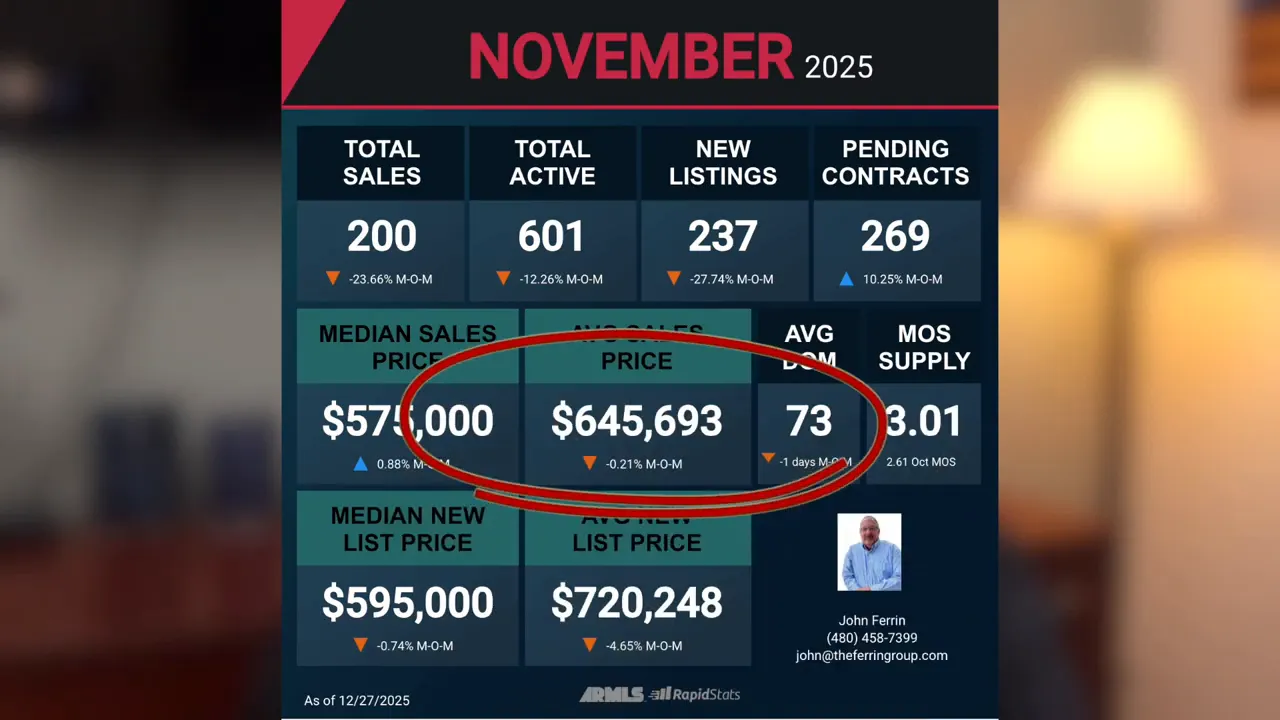
That does not automatically mean Gilbert is overpriced. It means expectations matter. When moving to Gilbert, AZ, you are not only paying for the house itself. You are also paying for location, neighborhood stability, community amenities, and the overall demand for this part of the East Valley.
There are older areas with smaller homes that factor into the overall average. There are also newer communities where the price point can look very different. The important thing is to get specific early, before falling in love with a home or a neighborhood that does not line up with the budget.
A better approach: Build the search around the type of home, age of home, neighborhood feel, HOA requirements, and daily commute or lifestyle needs, not just a city name on a map.
Schools And Youth Sports Create Daily Activity
Gilbert has strong schools and a huge youth sports culture. That is a major positive for many families. It also affects everybody else, including people without kids.
Morning drop-off and afternoon pickup can slow certain roads way down. On some school days, traffic can come close to a stop around campuses and major feeder routes. This is one of those things that may not stand out during a quick weekend visit, but it becomes part of normal life once you are settled in.
Then you have youth sports. Parks can be busy on weekends. Evening games under the lights are common. Tournaments can bring extra parking, noise, and traffic into areas near fields and recreation facilities.
For some people moving to Gilbert, AZ, that activity feels like exactly what they want: a connected, active community with families out enjoying the town. For others, it can feel like constant background motion. Neither answer is wrong, but it is worth being honest about which version sounds more like home.
Some Neighborhoods Still Have Chickens And Roosters
Here is one that catches people completely off guard: chickens. And in some places, roosters.
Gilbert may look like a polished modern suburb, but it still has pockets with a more semi-rural feel, especially in older areas or neighborhoods with less restrictive HOA control. Depending on zoning, enforcement, older land-use rules, and grandfathered allowances, backyard chickens may be allowed.

That means you can move into what appears to be an ordinary suburban neighborhood and hear a rooster around 5:30 or 6:00 in the morning. Yep, it happens. You may just fly the coop if that is not your thing.
This is not everywhere. Most Gilbert neighborhoods do not have this issue at all. Still, if quiet mornings matter a lot, moving to Gilbert, AZ should include checking the immediate area and understanding the rules that apply to that specific neighborhood. Two neighborhoods that look nearly identical can have very different restrictions.
For some folks, it is charming. For light sleepers, it can be a surprise they did not sign up for.
HOA Rules Can Be A Big Adjustment
Most neighborhoods in Gilbert are part of a homeowners association. If you are coming from an area where HOAs are optional, light, or nearly nonexistent, this can be a real adjustment.
HOAs are not automatically evil. In fact, many people like them because they help keep neighborhoods clean, consistent, and predictable. Common areas tend to be well maintained, lawns generally look good, and you are less likely to encounter a bright purple house popping up next door.
But an HOA means rules. Those rules may cover:
- Landscape design and weed control
- Exterior paint colors
- How long trash cans can remain outside
- Parking certain vehicles in the driveway
- Visible storage along the side of the home
- Maintenance expectations for the exterior and front yard
Some associations are relaxed. Others are much more structured and active. Their fees, rules, enforcement styles, and general culture can vary widely, even between neighborhoods only a mile apart.
And here is something people often overlook when moving to Gilbert, AZ: HOAs evolve. Boards change. Rules can change. Enforcement can tighten up or loosen over time. Read the documents, but also understand the tone and history of that particular community.
If you value order and predictability, an HOA may feel like a major plus. If personal autonomy is high on your list, even small rules can become irritating over time. The specific neighborhood can matter as much as, or more than, the house itself.
Desert Air Quality And Monsoon Dust Are Real Factors
Gilbert does not mean waking up every day choking on smog. That is not the reality. But moving to Gilbert, AZ does mean living in a desert environment, and the desert brings dust, pollen, wind, and seasonal air-quality changes.
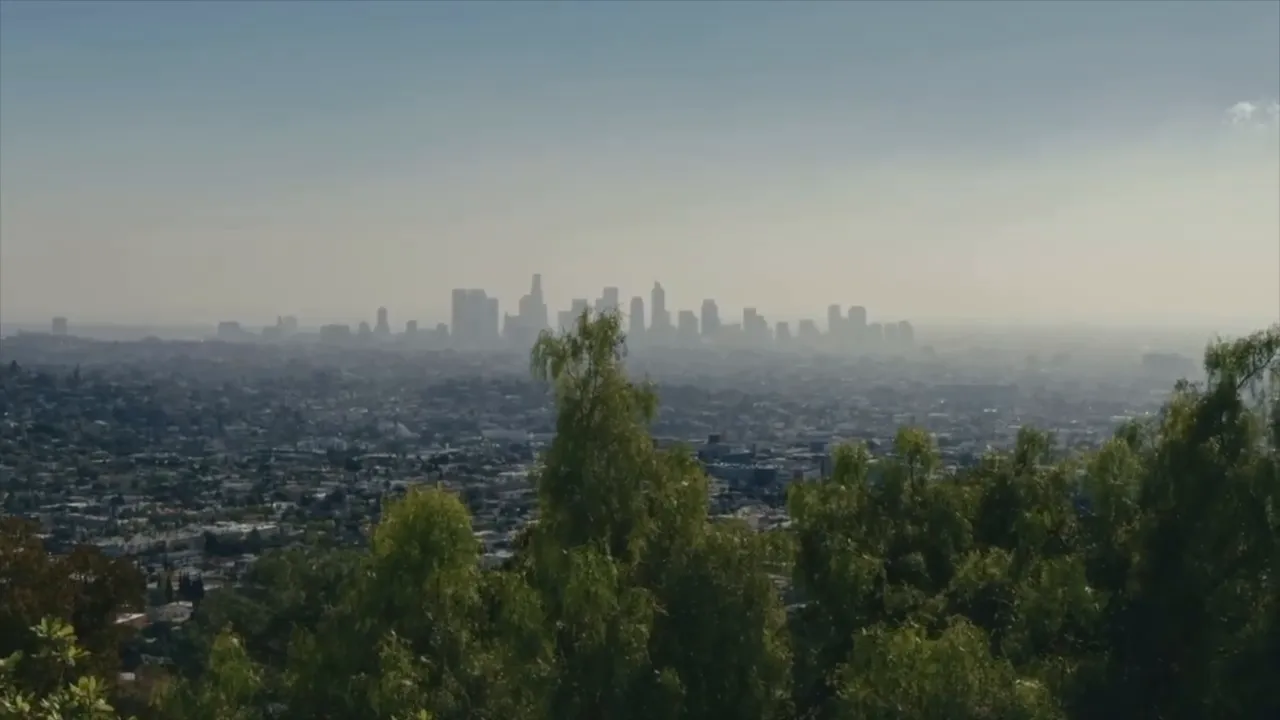
July and August monsoon season can put on quite a performance. Thunder, lightning, wind, heavy rain, and walls of dust are all part of the deal. If you have never seen a haboob, you will know it when you do.
A haboob is a giant wall of dust created when cold air pushes down from a thunderstorm and sends desert dirt into the sky. These walls can reach 1,500 to 3,000 feet high and stretch more than 100 miles wide. It can be bright and sunny in the afternoon, then suddenly the sky turns brown and looks downright dramatic.
They look scarier than they usually are. If visibility gets bad while driving, pull over and wait. At home, close doors and windows. When it is over, expect dust on the patio and possibly a little extra work for the pool guy.
Spring allergies can also surprise newcomers. Desert plants, pollen, and dust can create congestion or irritation, even for people who have not dealt with allergies before. On certain weather days, people with asthma, breathing concerns, or sensitivity to air quality may need to adjust outdoor activity or use air purifiers indoors.
It is not a constant crisis. Most people go about their day normally. But it is one more practical part of moving to Gilbert, AZ that deserves consideration before you commit.
Is Gilbert Still A Great Place To Live?
Absolutely, if it matches your lifestyle.
Moving to Gilbert, AZ can be a great decision for someone who wants an established community, strong schools, a lively downtown option, neighborhood consistency, and the broader lifestyle that makes the Phoenix suburbs so popular.
The honest takeaway is simple: do not choose Gilbert because somebody told you it is perfect. Choose it because the realities of daily life there work for you.
If summer heat, school traffic, HOA rules, the occasional rooster, desert dust, and higher housing costs do not bother you much, Gilbert could be an excellent fit. If a few of these points made you pause, that does not mean Gilbert is wrong. It may simply mean a specific neighborhood, or another nearby community, fits better.
If you’re planning a move (or even just starting to look), I’d love to help you sanity-check which Gilbert neighborhood and home style will truly fit your day-to-day. You can reach me anytime at 480-458-7399.
Frequently Asked Questions About Moving To Gilbert, AZ
Is Gilbert a quiet suburb?
Many Gilbert neighborhoods are quiet, but downtown Gilbert and the Heritage District have a much more active atmosphere. Restaurants, live music, events, busy patios, and tighter parking can create a lively environment, especially on weekends.
How hot does Gilbert get in summer?
Summer temperatures can run from about 110 to 117 degrees. Daily routines often shift to early mornings and evenings for walks, yard work, and outdoor activity.
Is Gilbert affordable compared with other Phoenix suburbs?
Gilbert is a desirable and established market, not a bargain market. The market snapshot discussed here showed an average sale price of $645,693, while homes built in the previous 20 years averaged just over $753,000.
Do all Gilbert neighborhoods have an HOA?
Most Gilbert neighborhoods are part of a homeowners association, but rules, fees, and enforcement styles vary significantly by community. Review the specific HOA documents and community culture before purchasing.
Are haboobs dangerous in Gilbert?
Haboobs can look dramatic because they are large walls of dust, but the main practical concern is poor visibility while driving. Pull over if visibility is bad, close windows and doors at home, and expect dust cleanup afterward.